
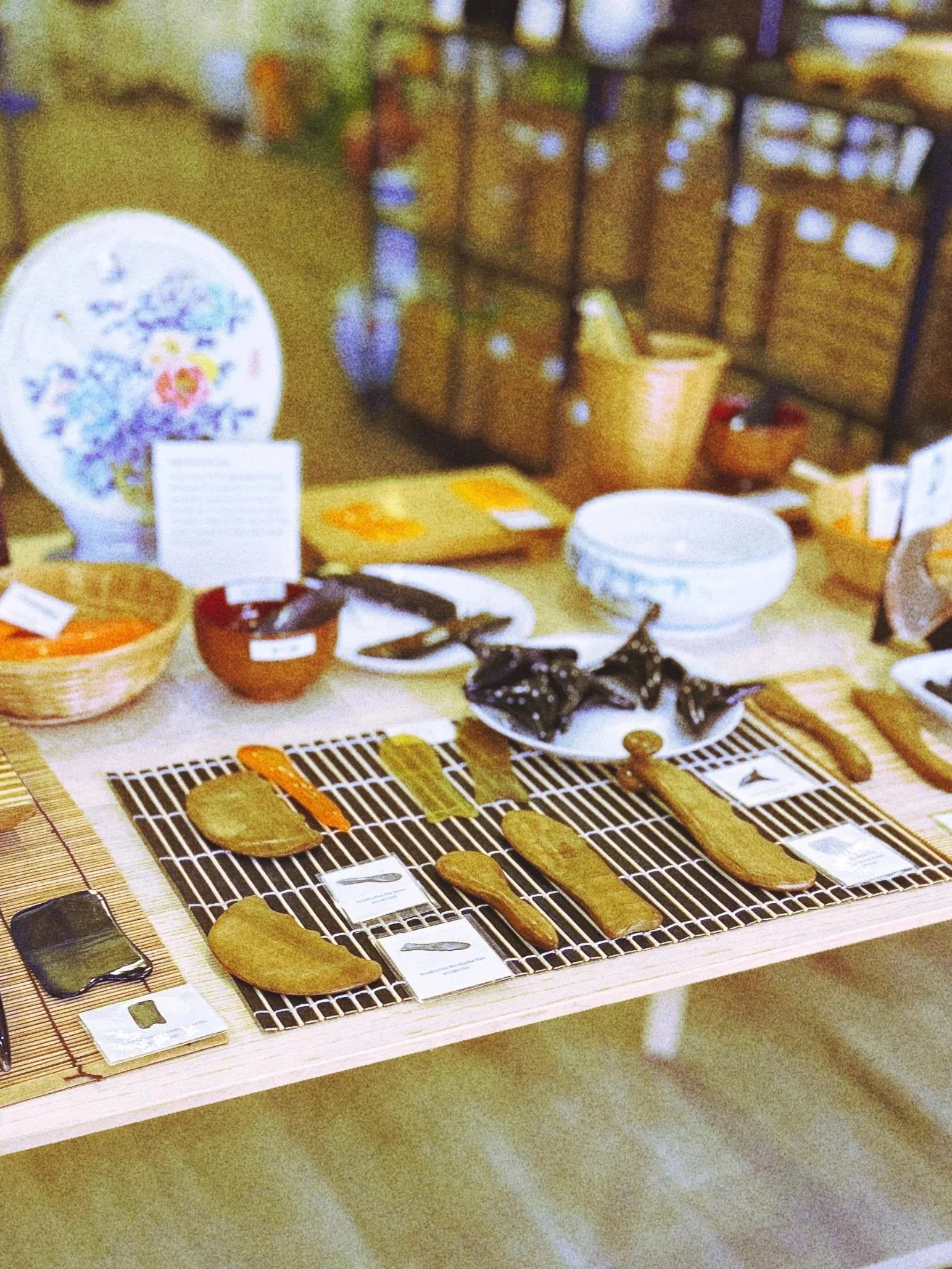
What is Gua Sha?
Gua sha (刮痧) is a form of Chinese traditional bodywork that involves using a smooth-edged tool to stroke the skin. The word gua means "to scrape," and sha refers to the temporary red marks that can appear as stagnation is released. Gua sha improves circulation, relieves tension, and supports the body’s natural healing response.
What is it good for?
Gua sha is excellent for pain reduction and musculoskeletal tension. It is especially helpful for areas like the neck, shoulders, and back. It supports healing by encouraging fresh blood flow and therapeutically breaking up areas of stagnation.
When used very gently for facial rejuvenation, Gua Sha can reduce puffiness, and bring a natural glow via enhancing circulation.
Gua Sha can also support emotional regulation by calming the nervous system and restoring the free flow of Qi (vital energy).
While most people in North America are familiar with Gua sha for facial rejuvenation, this is just one small fragment of what Gua Sha can do. Historically it has been used therapeutically to help treat a variety of issues, such as, muscle aches, tension, heat stroke, menstrual stagnation, hyperlipidema, fevers and much more!
What is it made of?
Gua sha tools are made from a variety of materials, including porcelain, bian stone, jade (or other stones), resins, or stainless steel. It's not uncommon for people to use porcelain soup spoons and mason jar rings at home as low-cost alternatives to expensive Gua sha stones.
How is it used?
Gua sha tools are applied in a stroking motion using moderate pressure with a skin-safe liniment or massage oil. We work in a repetitive motion directing the tool along the muscle and meridian pathway to increase circulation and flow to the local area.
Is it Safe?
When performed correctly by a licensed Chinese medicine practitioner such as an acupuncturist, Gua Sha is a safe practice. However, it is essential to approach it with care, especially if you have sensitive skin or certain medical conditions like Vascular Ehlers Danlos Syndrome, Trigeminal Neuralgia or CRPS.
It is important to avoid applying it over broken skin, infections, or active inflammation. Always inform your acupuncturist of any medical conditions or sensitivities so your treatment can be tailored to your needs.
Does It Hurt?
The majority of patients find Gua sha to be relaxing, and experience relief from tension. Gua Sha can be performed at various levels of intensity and pressure can be adjusted based on patient comfort. I always check in with my patients as I go. You are in control and can stop the session at any time.
What are those marks?
While redness or petechiae (small purple spots) often appear, this is a normal part of the treatment response and usually fades within a few days. This is most common with musculoskeletal injuries and when treating folks who are fighting off a cold.
The image shown of a person’s back is an example of sports Gua sha done for musculoskeletal pain. Although this looks like it may be painful, most people find immense relief with Gua Sha. The darkness of the mark shows the level of stagnation trapped in the tissue. The creation of Petechia/spots triggers a natural immune response, increasing local blood circulation, releasing anti-inflammatory proteins.
Source: Exploring Scraping Therapy: Contemporary Views on an Ancient Healing – A Review (Journal of Family Medicine and Primary Care, 2021) (LINK)
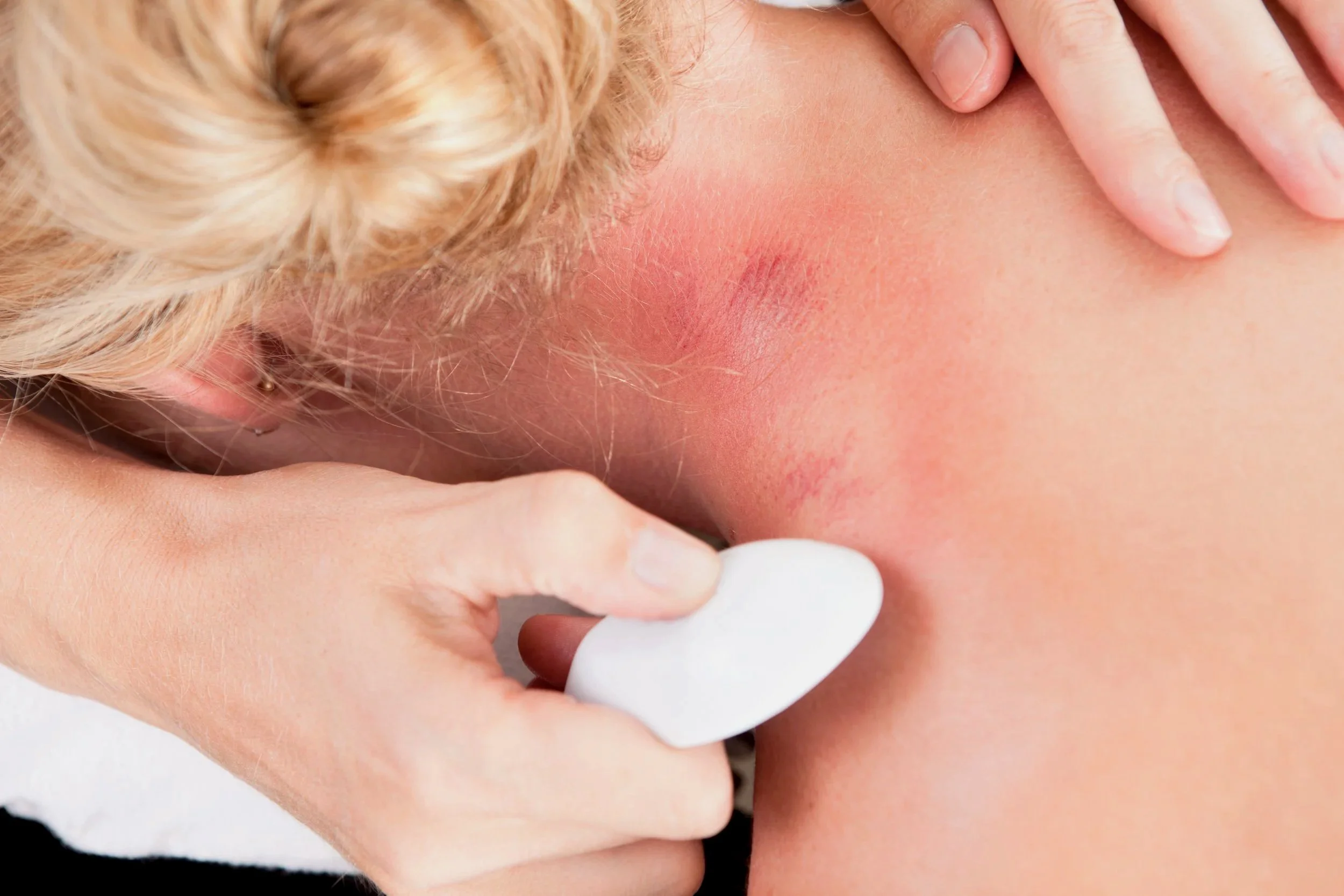
Gua sha on the neck
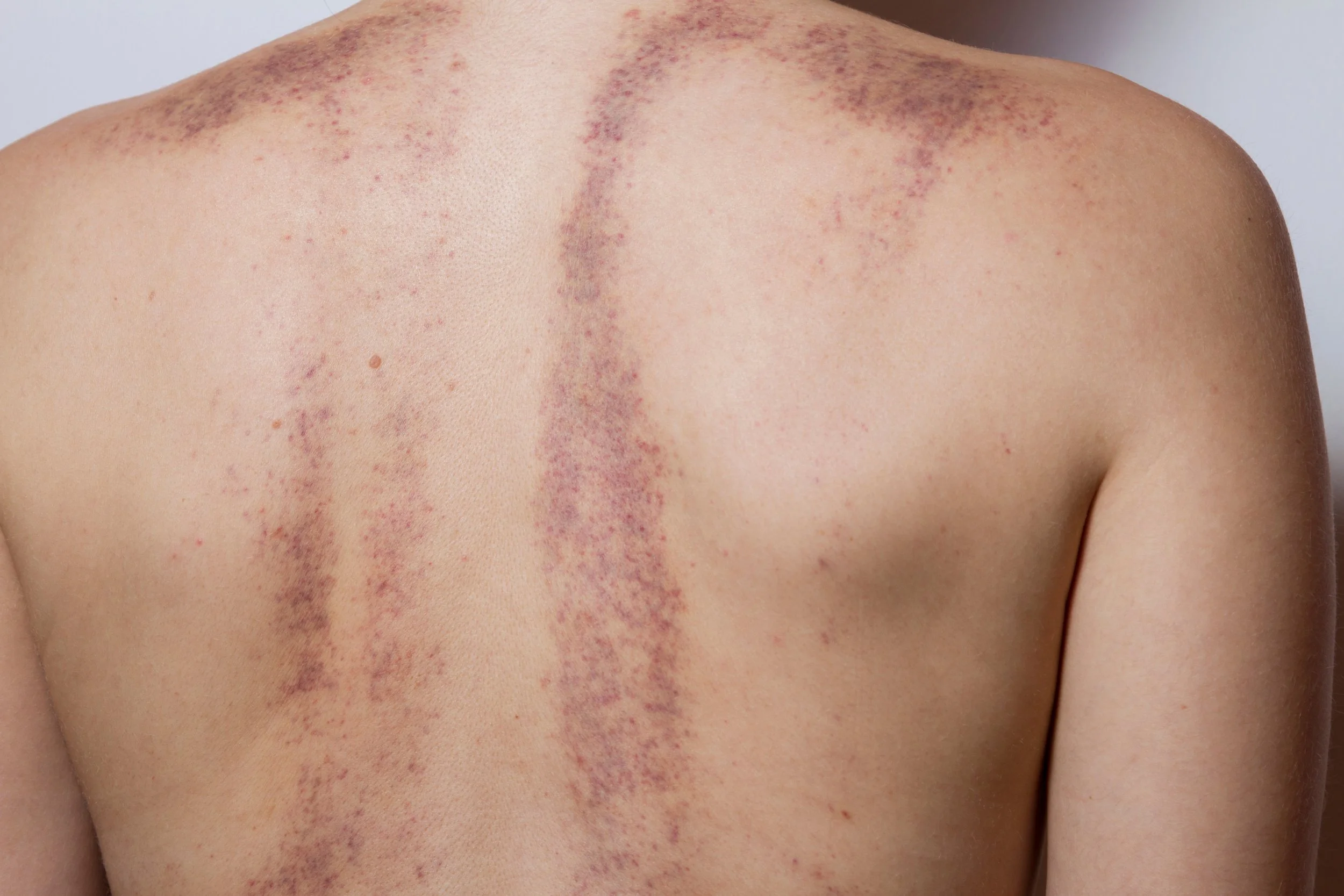
Standard "Sha" marks on the back, after treatment
Aftercare Instructions
Following a Gua Sha session, your skin may be more sensitive. These simple guidelines can support your recovery and maximize the benefits:
Keep the Area Covered Wear loose, breathable clothing and protect the treated area from cold or wind. A scarf is highly recommended after gua sha in this area.
Avoid Heat & Showers Skip hot showers, baths, and saunas for the first 24 hours to allow your skin to settle. This allows your skin time to recover and ensures that the therapeutic effects of the treatment are not interrupted.
If you’ve had Gua Sha on the face, avoid harsh skincare treatments immediately afterwards. Keep the skin calm by using gentle moisturizers and avoiding any active ingredients (like acids or retinol) for a day or two.
Monitor Skin Reactions: As I mentioned earlier, temporary marks, often appearing as red or purple spots (petechiae), are a normal response to Gua Sha, especially when deeper pressure is applied. These marks are typically harmless and will fade within a few days as your body absorbs the released stagnation. Unlike bruising, petechiae are not caused by blood pooling in the tissues. If you experience any unusual symptoms such as excessive pain, swelling, or persistent marks beyond a few days, please contact your practitioner for guidance.
If you experience any discomfort or unusual reactions after your session, let your acupuncturist know. Everyone’s body responds differently, and adjustments may be needed for future treatments.
REFERENCES
College of Traditional Chinese Medicine Practitioners and Acupuncturists of Ontario. (n.d.). About traditional Chinese medicine [PDF]. https://www.ctcmpao.on.ca/resources/publications/
Lam, H. M., & Lee, T. Y. (2016). The effectiveness of Gua Sha on myofascial pain syndrome: A systematic review and meta-analysis. The Journal of Alternative and Complementary Medicine, 22(10), 826–831.
Saha, F. J., et al. (2019). Gua Sha therapy for chronic low back pain: A randomized controlled trial. Complementary Therapies in Clinical Practice, 35, 1–6.
Wikipedia contributors. (2024). Gua sha. Wikipedia. https://en.wikipedia.org/wiki/Gua_sha